What to Expect from Beacon top Paving Contractor for Your Property
What to Expect from Beacon top Paving Contractor for Your Property
Blog Article
Paving Solutions: Enhance Your Property With Skilled Paving Services
Professional paving services offer considerable advantages for property enhancement. They not only improve aesthetics but also increase functionality. Choosing the right materials, such as bitumen or interlocking pavers, can assure durability and style. The installation process is critical for achieving lasting results. Yet, many homeowners ignore essential maintenance practices that can extend the life of their investment. Understanding these elements is crucial for making informed decisions about outdoor spaces. What comes next may astonish you.
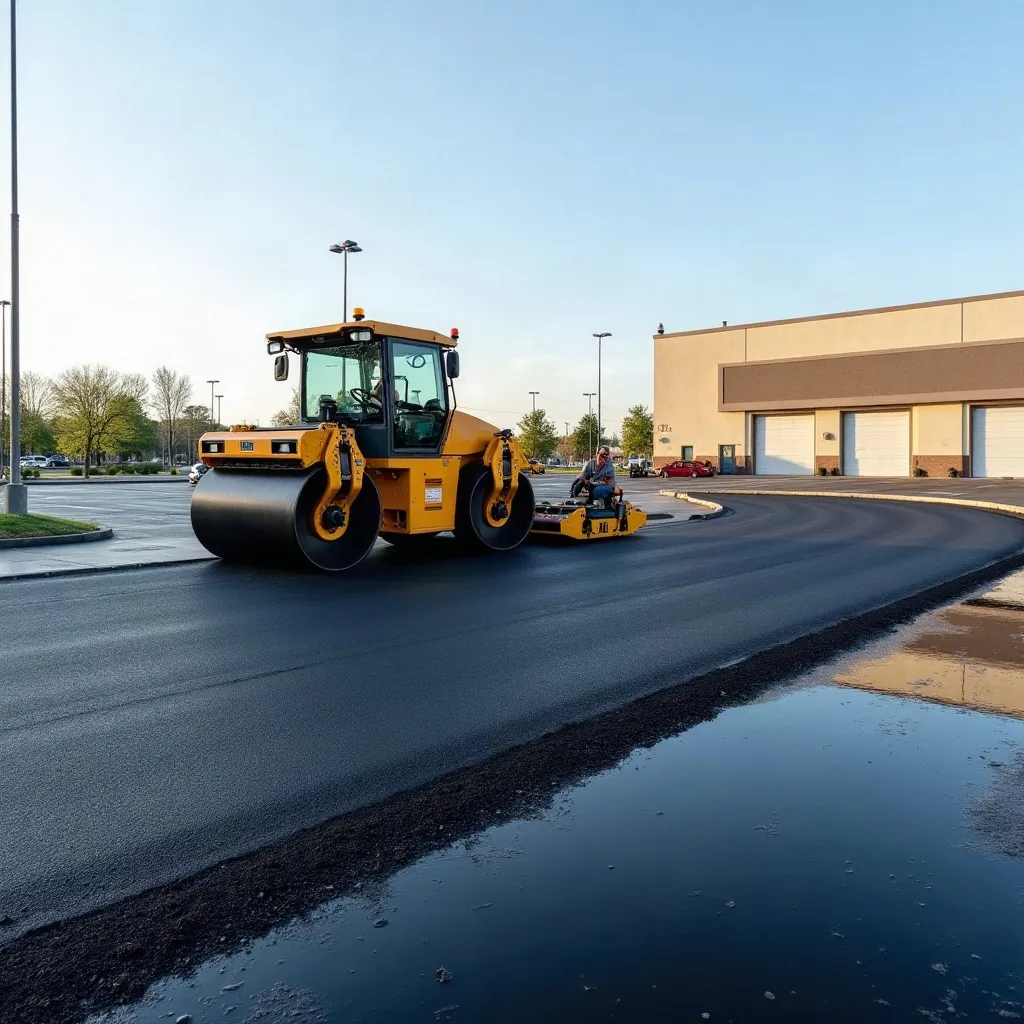
Why Expert Paving Solutions Enhance Your Home
Professional paving services transform outdoor spaces, improving both practicality and visual appeal. By utilizing expert techniques and advanced machinery, these solutions ensure the meticulous groundwork and installation of different pavement types. This attention to detail results in sturdy, enduring outcomes that withstand wear and tear while preserving visual appeal.
In addition, skilled pavement work strengthens home valuation, crafting attractive walkways, driveways, and seating areas that appeal to potential buyers. A properly finished surface improves safety by reducing hazards like bumpy surfaces and extra dirt, enhancing a more pleasant outdoor enjoyment.
Moreover, accomplished professionals can create individualized concepts appropriate for customer desires, verifying that all projects supports the property's unique character.
Choose the Best Paving Materials for Your Undertaking
In what ways can property owners identify the most appropriate paving materials for their undertakings? Picking the correct material matters for both looks and function.
First, property owners should reflect on the particular application of the paved area. For driveways, heavy-duty materials like asphalt or concrete are often preferred due to their durability and extended lifespan. In contrast, for patios or walkways, options such as pavers or bricks can showcase visual appeal and versatility.
Next, climate plays a major factor. Zones with intense precipitation may profit from permeable materials that allow for better drainage, minimizing the risk of inundation.
Furthermore, upkeep needs should be assessed; some materials require more maintenance than others.
In the end, spending limits will impact the choice. While quality materials may involve a substantial initial cost, they typically yield lasting savings through strength and diminished maintenance expenses.
Therefore, comprehensive assessment of these factors will enable property owners to make knowledgeable selections.
Asphalt Paving Positives
Asphalt surfacing represents a leading option for homeowners pursuing durable and cost-effective solutions for their driveways and walkways. One of its primary advantages is its durability; asphalt can withstand heavy traffic and harsh weather conditions, making it perfect for residential use.
Furthermore, asphalt is moderately priced alongside other paving materials, helping homeowners to realize a excellent appearance without emptying their pockets. The installation process is also swift, frequently concluded within a day, reducing disruption to daily life.
In addition, asphalt is straightforward to maintain, calling for just periodic protective coatings to extend its service life. These advantages make asphalt paving a practical and intelligent choice for boosting property aesthetics and functionality.
Interlocking Paver Perks
For those interested in paving alternatives, interlocking pavers present obvious advantages that enhance both appearance and usefulness.
These adaptable pavers come in diverse shapes, colors, and textures, enabling innovative design opportunities that can suit any property style. Additionally, interlocking pavers offer excellent durability, resisting cracking and shifting, which is particularly beneficial in regions with unstable temperatures.
Moreover, their distinctive structure promotes efficient water drainage, minimizing the likelihood of water damage and soil loss. This porosity also contributes to ecological preservation by enabling rainwater to restore groundwater supplies.
Finally, the ease of installation and maintenance makes interlocking pavers a practical choice, guaranteeing that property owners can appreciate their attractive pavement without demanding maintenance.
Preliminary Site Review
What elements impact the initial site assessment for paving installation? Several crucial factors are involved during this essential stage. First, the topography of the land is studied to identify any slopes or drainage issues that could affect the paving process. Next, the existing soil conditions are reviewed, as different soil types can affect stability and durability. Additionally, site accessibility is taken into account to figure out how equipment and materials will be delivered. Local regulations and zoning laws are also checked to guarantee compliance. Finally, existing structures and vegetation are assessed to plan for any necessary removal or protection. This thorough evaluation establishes the basis for a successful paving project, making sure that all potential challenges are managed from the outset.
Installation Stages Explained
With a full site assessment completed, the paving installation phase can proceed.
The initial stage comprises site preparation, where any existing materials are stripped away and the ground is leveled. Beyond this, a ground layer is secured, typically made of loose rock or fragmented stone, which establishes durability and moisture control.
Then, the designated surface material—such as asphalt or concrete—is set in place. This phase requires attentive execution to confirm a uniform surface and correct alignment.
After the paving is installed, it is compacted to boost durability. Finally, the curing process happens, allowing the material to solidify properly.
During the entire process, open dialogue with the property owner is important to handle any worries and confirm approval with the final result.
Paving Maintenance Advice for Durability
Although paving surfaces are designed for durability, consistent upkeep is important to guarantee their extended life. Regular checks should be performed to identify damage, deterioration, or surface degradation. Timely fixes can prevent further damage and prolong the durability of the road surface.
Furthermore, maintaining the surface neat is essential; bits, foliage, and soil can trap moisture, causing deterioration. Regular sweeping and occasional power washing contribute to maintain a pristine appearance and operation.
Applying sealant every few years can guard the surface from weather exposure and ultraviolet degradation, while also strengthening its decorative charm.
Finally, addressing drainage problems is significant. Adequate drainage systems prevent water accumulation, which can deteriorate the paving material over time.
How to Find a Credible Paving Contractor
Securing a reputable paving contractor represents an key step for property owners wanting to install or enhance their paving surfaces. To initiate, individuals should gather recommendations from contacts, household members, or area-based companies that have not long ago carried out paving projects. Online reviews and testimonials can also corresponding information present insights into a contractor's reputation.
Once potential vendors are identified, it is vital to check their credentials, including licenses and insurance. A professional tradesperson should offer a thorough written proposal that outlines the work scope, materials, and timeline.
In addition, requesting references from former clients can help determine the contractor's reliability and work quality. It's also advisable to inquire regarding coverage on labor and materials.
In the end, promoting honest dialogue and openness during initial consultations can establish a strong relationship built on trust, ultimately resulting in a completed paving undertaking that meets expectations.
Frequently Asked Questions
How long Will a Standard Paving Project Require to Finish?
A typical asphalt project generally requires 1-3 days to finish, based on variables such as the size of the project, complexity, weather conditions, and preparation requirements. Proper planning can assist in expedite the work effectively.
What Approvals Do You Require for Paving Installation?
Typically, driveway paving requires permits such as local construction permits, zoning approvals, and environmental reviews. Rules vary by location, so consulting local authorities guarantees compliance with required legal standards for the undertaking.
Is Pavement Installation Feasible During Winter or Precipitation-Heavy Periods?
Paving can be difficult during winter or rainy seasons due to thermal and humidity issues. Cold weather can impede proper curing, while excessive rain may cause pavement problems, leading to potential sustained deterioration. Thoughtful preparation is crucial.
What Measures Should I Implement if My Pavement Develops Cracks?
When pavement shows fractures, the first step is to assess the damage. Then, clean the area completely, seal the fissures with suitable filler, and consider expert services to avoid further deterioration and maintain safety.
How do I validate if my concrete professional carries the necessary credentials?
To figure out whether a paving contractor is licensed, you need to confirm credentials with local licensing boards, require a copy of their license, and ensure insurance protection, making certain they meet industry regulations and safety standards.
Report this page